


- Posted on
- By Harmonyrecipes
- In Cooking Tips
- Leave a comment

The Ultimate Alfredo Sauce Recipe: Creamy, Rich & Restaurant-Quality at Home
Picture yourself standing in your kitchen on a busy weeknight, exhausted from the day’s demands. Your family’s hungry, time’s slipping away, and you’re craving something indulgent—something that wraps around your soul like a warm blanket. That’s exactly what a perfectly crafted alfredo sauce delivers. It’s not just pasta; it’s a moment of pure comfort that transforms ordinary ingredients into something extraordinary.
I’ll never forget watching my Italian neighbor, Maria, whip up alfredo sauce in under fifteen minutes while juggling a phone call and keeping an eye on her grandchildren. She tossed butter and cream into a pan with the confidence of someone who’d done it a thousand times, grated fresh Parmesan with practiced ease, and created magic. “It’s simple,” she told me with a knowing smile. “You just need to respect the ingredients.” That wisdom changed everything for me, and now I’m passing it along to you.
This guide isn’t just another recipe floating around the internet. It’s your complete roadmap to mastering one of Italy’s most beloved sauces—from understanding its fascinating history to avoiding the pitfalls that turn silky sauce into a grainy disaster. Whether you’re cooking for picky toddlers, impressing dinner guests, or simply treating yourself after a challenging week, you’ll discover how three humble ingredients can create restaurant-quality results right in your own kitchen.
Table of Contents
What Is Alfredo Sauce? Understanding the Classic Italian Staple
The Origins of Alfredo Sauce
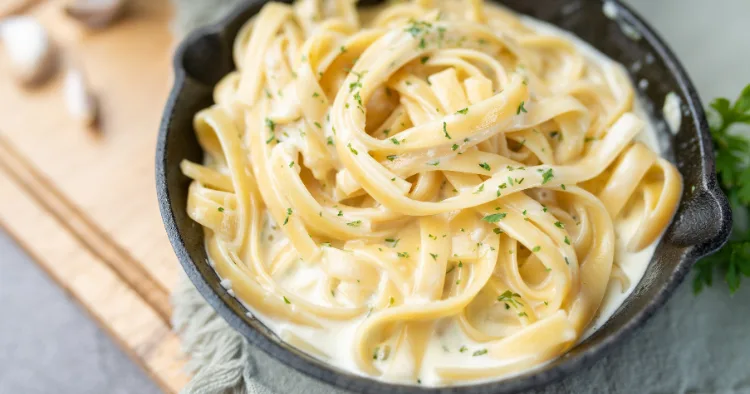
Your favorite creamy pasta sauce has a surprisingly romantic backstory. In 1914, a Roman restaurateur named Alfredo di Lelio created this dish for his pregnant wife, who was struggling to keep food down. He combined fresh butter and Parmigiano-Reggiano cheese with fettuccine, creating “fettuccine al burro”—a dish so comforting and delicious that his wife regained her appetite.
What started as an act of love eventually became a signature dish at Alfredo’s restaurant. When Hollywood stars Mary Pickford and Douglas Fairbanks dined there in 1927, they fell completely in love with the dish and brought the recipe back to America. Here’s where things get interesting: the American version evolved to include heavy cream, which wasn’t part of the original Roman recipe. Italians still prepare their version with just butter, pasta water, and cheese, while Americans have embraced the creamier adaptation that’s become a comfort food staple across the nation.
Traditional Alfredo Sauce Ingredients
Authentic alfredo sauce relies on what I call the “holy trinity” of Italian cooking—butter, heavy cream, and Parmesan cheese. That’s it. No flour, no cream cheese, no mysterious ingredients you can’t pronounce. The beauty lies in the simplicity, which means each component must shine on its own merit.
Here’s what separates mediocre alfredo from the kind that makes people close their eyes and sigh with contentment: quality matters immensely. Using real Parmigiano-Reggiano instead of the powdered stuff in a green can makes the difference between tasting genuine Italian tradition and settling for a pale imitation. European-style butter, with its higher fat content, creates a lusher texture. Heavy cream brings that signature richness that coats your pasta like liquid silk.
Many recipes floating around online add garlic, and while it’s not traditional, it’s become an accepted enhancement that adds aromatic depth. Some cooks incorporate a whisper of nutmeg—barely detectable but transformative. These additions respect the sauce’s integrity while acknowledging modern palates.
Essential Ingredients for the Perfect Alfredo Sauce Recipe
Alfredo Sauce Ingredients Table
Let me break down exactly what you’ll need, with quantities that serve four to six hungry people:
Ingredient | Quantity | Notes |
|---|---|---|
Heavy Cream | 1 cup (240ml) | Full-fat is non-negotiable |
Unsalted Butter | ½ cup (115g) | European-style delivers superior results |
Parmesan Cheese (freshly grated) | 1½ cups (150g) | Parmigiano-Reggiano recommended |
Garlic (minced) | 2-3 cloves | Optional but transforms the flavor |
Salt | To taste | Begin with ½ teaspoon, adjust accordingly |
Black Pepper (freshly ground) | ¼ teaspoon | Fresh makes a noticeable difference |
Nutmeg (optional) | Pinch | Secret ingredient for depth |
Choosing the Right Cheese for Your Alfredo Sauce
Walk into any grocery store and you’ll face a bewildering array of cheese options. Let me simplify this for you: authentic Parmigiano-Reggiano is worth every extra penny. You’ll recognize it by the pin-dot pattern stamped on the rind and its complex, nutty flavor that develops during years of aging.
Why does pre-grated cheese spell disaster for your sauce? Those convenient bags contain anti-caking agents like cellulose (basically wood pulp) that prevent the cheese from melting smoothly. Instead of creating a silky sauce, you’ll end up with grainy clumps floating in cream—not exactly the luxurious experience you’re after.
When you grate Parmigiano-Reggiano fresh, the natural oils and proteins integrate seamlessly with the butter and cream, creating that glossy, cohesive texture that clings beautifully to your pasta. Purchase a wedge, keep it wrapped in parchment paper inside a plastic bag in your refrigerator, and grate only what you need.
If budget constraints make imported Parmesan challenging, look for domestic options aged at least 10 months. Avoid anything labeled “Parmesan-style” or that comes in a plastic container with a shaker top. Your sauce deserves better, and honestly, so do you.
Heavy Cream vs. Other Dairy Options
Heavy cream contains between 36-40% milk fat, which gives alfredo sauce its characteristic richness and helps create that silky texture that coats each strand of pasta. When you substitute lighter options, you’re fundamentally changing the sauce’s structure.
Half-and-half (with only 10-18% fat) produces a noticeably thinner consistency. Whole milk, despite being a staple in your refrigerator, simply doesn’t contain enough fat to create authentic alfredo. You can attempt these substitutions, but you’ll need to add thickeners like flour or cornstarch, which changes both texture and flavor. The result tastes pleasant enough but lacks the luxurious mouthfeel that makes alfredo special.
For those managing dietary restrictions, several alternatives exist. Cashew cream, made from soaked and blended raw cashews, mimics heavy cream’s texture surprisingly well. Coconut cream works in a pinch, though it introduces a subtle tropical undertone. These substitutions require recipe adjustments, but they make alfredo accessible to more people—which matters.
Step-by-Step Alfredo Sauce Recipe Instructions
Equipment You’ll Need
Before you start cooking, gather these tools. Having everything within reach prevents that panicked scrambling that leads to burnt garlic or overcooked cream:
- Medium to large saucepan or deep skillet (at least 10 inches)
- Whisk or wooden spoon for constant stirring
- Microplane or fine box grater for cheese
- Measuring cups and spoons for precision
- Small bowl for holding grated cheese
How to Make Alfredo Sauce (Detailed Steps)
Prep Time: 5 minutes
Cook Time: 10 minutes
Total Time: 15 minutes
Servings: 4-6
Now, let’s walk through this together, step by step. I’ll explain not just what to do, but why you’re doing it—understanding the science makes you a better cook.
Step 1: Melt the butter
Place your saucepan over medium heat and add the butter. Watch as it melts completely and begins to foam gently. This foaming indicates that the water content in the butter is evaporating—you’re concentrating the milk solids and butterfat that give your sauce its foundation. Don’t rush this by cranking up the heat; patience now prevents burnt butter later.
Step 2: Add garlic (optional but recommended)
If you’re using garlic, add it now while the butter is foaming. Sauté for 30-60 seconds, stirring constantly. Your kitchen should smell amazing—warm, aromatic, inviting. Pull the pan off the heat the moment the garlic turns golden. Burnt garlic tastes bitter and will ruin your entire sauce, so stay vigilant during this brief window.
Step 3: Pour in the cream
Return the pan to medium heat and pour in your heavy cream. Whisk gently to combine it thoroughly with the butter. You’re creating an emulsion—the fat molecules from the butter dispersing evenly throughout the cream. This integration is crucial for smooth, cohesive sauce.
Step 4: Simmer gently
Bring the mixture to a gentle simmer, not a rolling boil. You should see small bubbles breaking the surface occasionally—vigorous boiling causes the dairy proteins to seize up and separate. Stir occasionally for two to three minutes, allowing the mixture to reduce slightly and thicken. This concentration intensifies the flavors while creating the perfect base for your cheese.
Step 5: Reduce heat
Lower your burner to medium-low before adding cheese. This is absolutely critical. High heat causes the proteins in Parmesan to clump together instead of melting smoothly, giving you that grainy texture nobody wants. Think of it like this: you’re coaxing the cheese to melt, not forcing it.
Step 6: Incorporate cheese gradually
Add your freshly grated Parmesan in three separate batches, whisking constantly after each addition. Why three batches? It gives each portion time to melt completely before introducing more, preventing clumping and ensuring even distribution. Your arm might get tired—this is normal. Keep whisking. The transformation from separate ingredients to unified sauce is happening right before your eyes.
Step 7: Season to perfection
Add salt conservatively (remember, Parmesan is already salty), freshly ground black pepper, and if you’re feeling adventurous, that tiny pinch of nutmeg. Taste as you go. Seasoning is personal; your “perfect” might differ from mine, and that’s completely acceptable. Trust your palate.
Step 8: Check consistency
Dip your spoon into the sauce and run your finger across the back. The sauce should coat the spoon without immediately dripping off—that’s the perfect consistency. If it’s too thin, continue simmering for another minute or two. If it’s too thick, whisk in a tablespoon of pasta cooking water or additional cream.
Step 9: Serve immediately
Alfredo sauce waits for no one. It thickens as it cools, so toss it with your pasta right away. This is when you understand why Italian restaurants bring pasta to the table steaming hot—the sauce is at its absolute peak of creamy perfection.
Pro Tips for Restaurant-Quality Results
After making alfredo sauce hundreds of times, I’ve learned tricks that separate good from extraordinary:
- Always grate your Parmesan fresh, right before cooking. Pre-grated cheese oxidizes, losing both flavor and melting properties.
- Keep your heat at medium-low when incorporating cheese. Rushing with high heat guarantees graininess.
- Reserve at least one cup of pasta cooking water before draining. This starchy liquid is liquid gold for adjusting consistency and helping sauce cling to pasta.
- Toss your cooked pasta directly in the sauce rather than pouring sauce over plated pasta. This technique, called “mantecatura” in Italian, allows the pasta to absorb the sauce while the residual heat keeps everything at the ideal temperature.
- Serve immediately on warmed plates. Cold plates drop the temperature quickly, causing sauce to congeal unappetizingly.
Common Alfredo Sauce Mistakes and How to Avoid Them
Why Your Alfredo Sauce Is Too Thin
You’ve followed the recipe, but your sauce resembles cream soup instead of luscious alfredo. Several culprits might be responsible:
Insufficient reduction: You need to simmer the cream long enough to evaporate excess liquid. Give it those full two to three minutes before adding cheese.
Low-fat dairy products: I cannot emphasize this enough—light cream or reduced-fat options lack the structure to create proper alfredo. The fat content isn’t just about richness; it’s about physics. You need those fat molecules to carry flavor and create texture.
Adding cheese too quickly: When you dump all your Parmesan in at once, the temperature drops dramatically. The cheese can’t melt properly, and you end up with a thin, separated mess.
Solution: If your sauce is too thin, continue simmering gently until it reaches the right consistency. You can also create a cornstarch slurry (1 teaspoon cornstarch whisked into 1 tablespoon cold water) and add it gradually while whisking. This method isn’t traditional, but it works when you need to salvage dinner.
Why Your Alfredo Sauce Is Grainy or Separated
Nothing disappoints quite like anticipating creamy alfredo and getting grainy, broken sauce instead. Here’s what went wrong:
Excessive heat: High temperatures cause cheese proteins to clump together rather than dispersing smoothly. Once this happens, the damage is difficult to reverse.
Pre-grated cheese with additives: Those anti-caking agents prevent proper melting, no matter how carefully you prepare everything else.
Boiling instead of simmering: Vigorous boiling denatures proteins and breaks the emulsion you’ve carefully created between butter, cream, and cheese.
Solution: If your sauce has already separated, remove it from heat immediately. Add a tablespoon of heavy cream and whisk vigorously for at least thirty seconds. The fresh cream introduces new fat molecules that can help bring everything back together. Alternatively, transfer the sauce to a blender and pulse for 10-15 seconds on low speed. This mechanical action can re-emulsify separated sauce, though the texture might be slightly different from perfect sauce made correctly from the start.
Why Your Alfredo Sauce Lacks Flavor
Bland alfredo sauce is tragic, especially since you’ve invested time and quality ingredients. The usual suspects:
Low-quality Parmesan: Subpar cheese simply cannot deliver the complex, nutty, salty depth that authentic Parmigiano-Reggiano provides. You’ll end up with one-dimensional, forgettable sauce.
Insufficient seasoning: Many home cooks under-season, fearing they’ll overdo it. Professional chefs taste constantly and adjust fearlessly. Properly seasoned alfredo should taste vibrant, not flat.
Not enough butter: Some recipes skimp on butter to save calories, but butter carries flavor compounds that cream alone cannot provide. Those milk solids contribute nutty undertones essential to balanced alfredo.
Solution: Always taste your sauce before serving, even if you followed the recipe exactly. Palates vary, ingredients vary, and conditions in your kitchen vary. If it tastes flat, add salt gradually—quarter teaspoon at a time. A crack of fresh black pepper wakes up flavors. That whisper of nutmeg, barely enough to identify, adds mysterious depth. Sometimes, an extra tablespoon of butter stirred in at the end transforms good sauce into crave-worthy sauce.
Delicious Variations of Classic Alfredo Sauce Recipe
Garlic Alfredo Sauce
While traditional Roman alfredo omits garlic entirely, American palates have embraced its aromatic contribution. For intensified garlic flavor without harshness, roast 4-6 whole cloves in a 400°F oven for 20-25 minutes until soft and golden. Squeeze the sweet, caramelized garlic from its papery skin and mash it into a paste before whisking into your finished sauce. This technique delivers garlic flavor that’s mellow, nutty, and impossibly addictive.
Chicken Alfredo Sauce
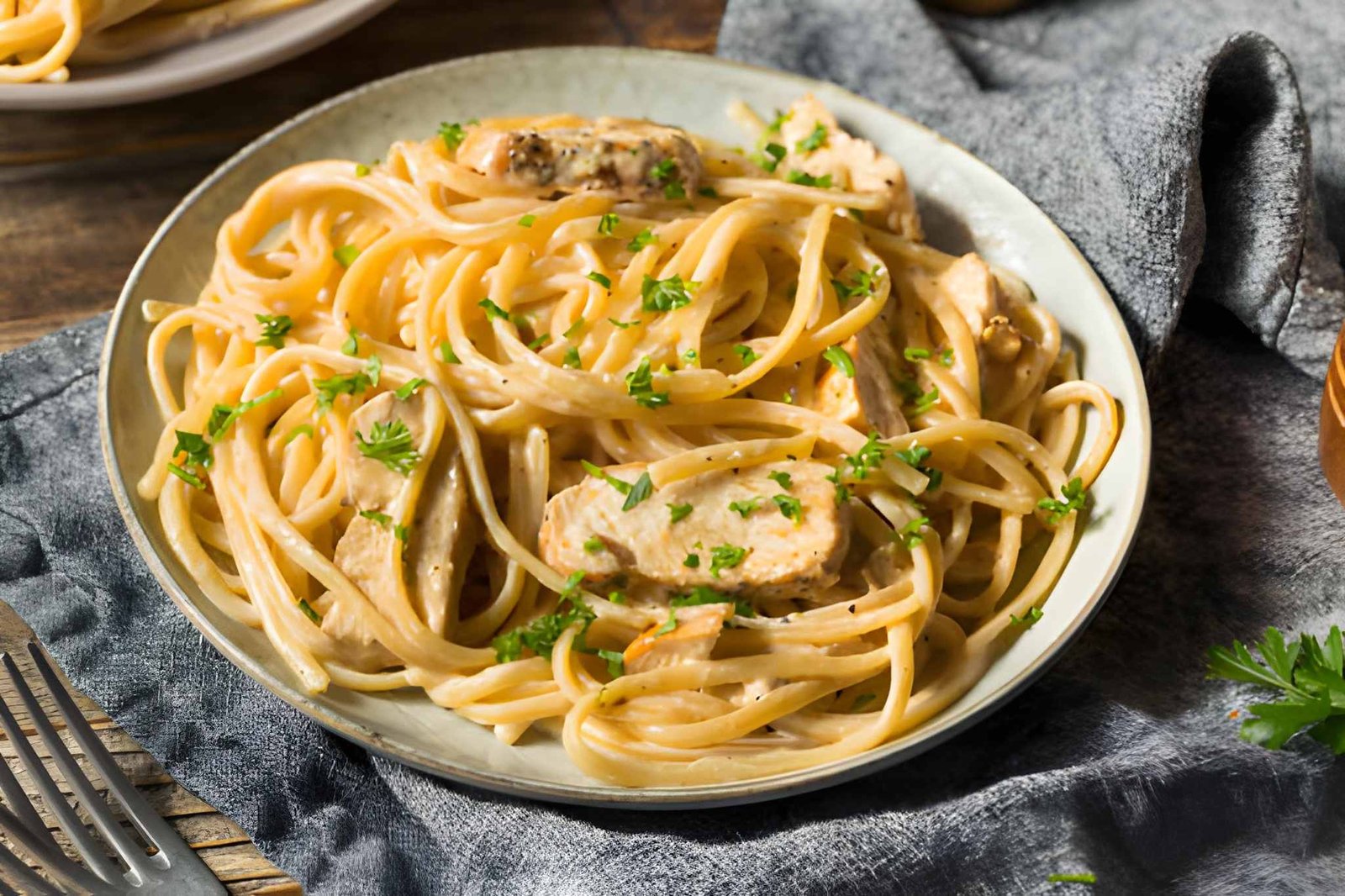
Transform your sauce into a complete meal by incorporating cooked chicken. Season boneless, skinless chicken breasts with salt, pepper, and Italian herbs, then grill, pan-sear, or use rotisserie chicken for convenience. Slice the cooked chicken against the grain into strips and fold it into your alfredo sauce just before tossing with pasta. The chicken absorbs the sauce while contributing its own savory notes, creating a balanced, protein-rich dish.
Cajun Alfredo Sauce
Inject some Louisiana flair into Italian tradition by adding 1-2 tablespoons of Cajun or Creole seasoning to your finished sauce. Start conservatively—these spice blends pack heat and assertive flavor. Andouille sausage, sliced and sautéed until crispy at the edges, makes an excellent addition. Blackened shrimp or chicken complement the spicy, creamy contrast beautifully. This fusion might make Italian purists cringe, but your taste buds won’t complain.
Lightened-Up Alfredo Sauce
For those managing caloric intake without abandoning alfredo entirely, several modifications help. Replace half the heavy cream with Greek yogurt—full-fat works best and contributes tangy depth alongside reduced calories. Some cooks puree steamed cauliflower until silky smooth and use it to replace part of the cream. These substitutions change the character somewhat, but they make alfredo more accessible for regular enjoyment rather than occasional indulgence.
Vegan Alfredo Sauce Recipe
Plant-based alfredo starts with cashew cream. Soak raw cashews in hot water for at least two hours, then blend them with water until completely smooth—no graininess whatsoever. This becomes your cream substitute. Nutritional yeast provides that cheesy, umami quality, while plant-based butter replaces dairy butter. White miso paste adds depth and saltiness. The result won’t fool Italian grandmothers, but it delivers impressive creaminess and satisfaction for vegan diets.
What to Serve with Alfredo Sauce: Perfect Pairings
Best Pasta Shapes for Alfredo Sauce
Fettuccine: The traditional, ribbon-like shape provides maximum surface area for sauce to cling to. Every bite delivers optimal pasta-to-sauce ratio.
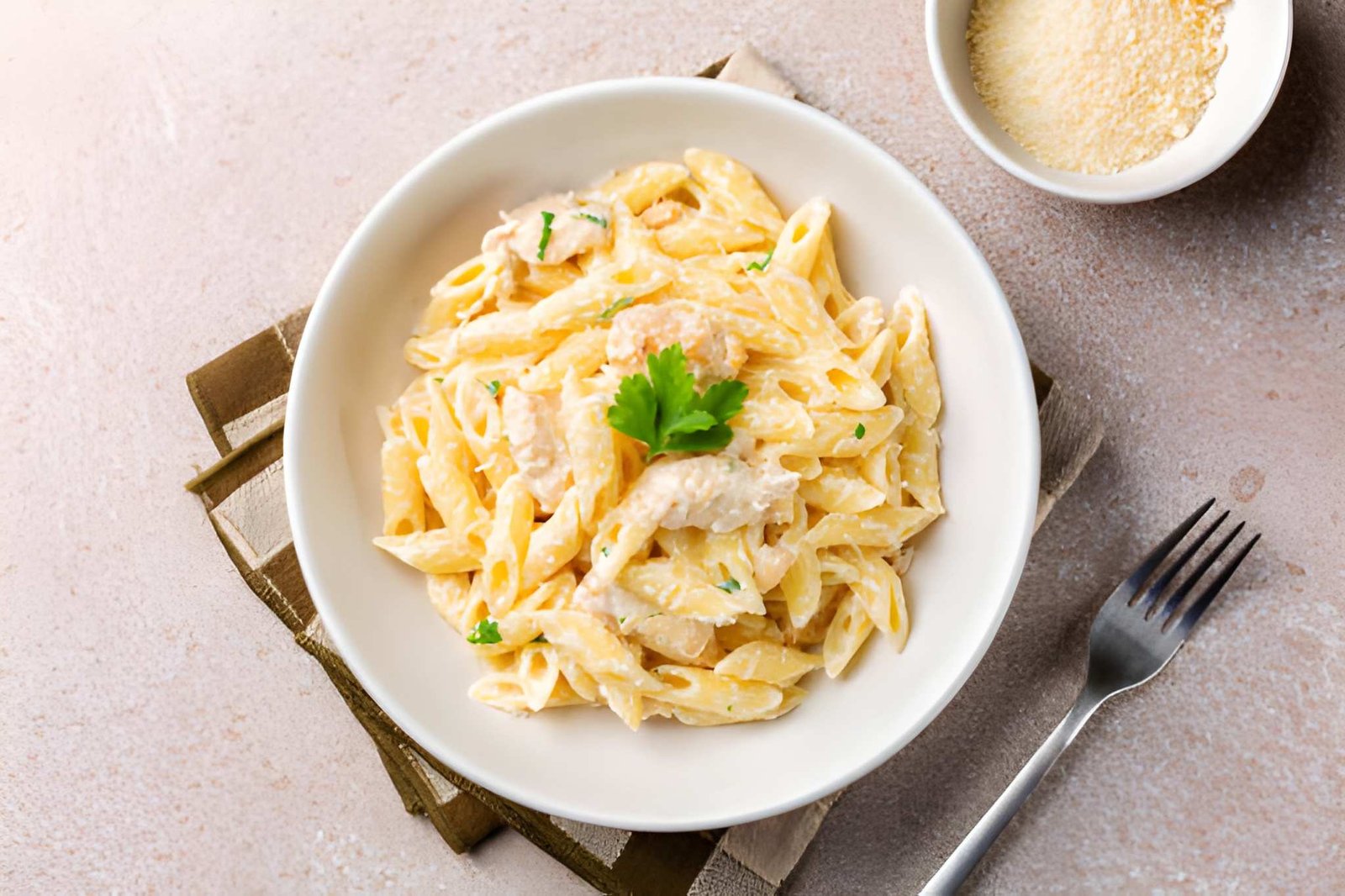
Penne: The tubular shape with ridged exterior catches sauce beautifully, especially when you’ve added chunky ingredients like chicken or vegetables.
Linguine: Similar to fettuccine but slightly narrower, linguine offers elegance and works particularly well with seafood additions.
Tortellini: Cheese-stuffed tortellini in alfredo creates indulgent double-cheese heaven. The filled pasta pockets provide textural contrast against the smooth sauce.
Protein Additions That Complement Alfredo
Grilled chicken breast, seasoned simply with salt, pepper, and herbs, remains the most popular protein pairing. Sautéed shrimp brings sweetness and textural snap. Pan-seared scallops transform alfredo into restaurant-worthy luxury. Salmon, with its rich fattiness, stands up beautifully to alfredo’s creaminess. Italian sausage adds spicy, fennel-scented contrast. Crispy bacon or pancetta contributes salty, smoky notes that cut through richness.
Vegetable Pairings
Steamed broccoli florets provide color, nutrition, and slight bitterness that balances cream. Sautéed mushrooms contribute earthy depth and meaty texture. Roasted cherry tomatoes burst with acidity that brightens each bite. Fresh spinach or kale wilts into the hot sauce, adding vibrant color and nutritional value. Peas, the traditional Italian addition, bring sweetness and pop texture. Sun-dried tomatoes introduce concentrated tomato essence with chewy texture.
Storing and Reheating Your Alfredo Sauce Recipe
How to Store Alfredo Sauce Properly
Transfer cooled alfredo sauce to an airtight container and refrigerate promptly. Properly stored, it remains safe and relatively fresh for 3-4 days. Press plastic wrap directly onto the sauce surface before sealing the container—this prevents skin formation and reduces oxidation.
Freezing alfredo presents challenges because dairy-based sauces separate when frozen and thawed. The emulsion breaks, fat separates, and texture suffers dramatically. If you absolutely must freeze it, store in a freezer-safe container for up to three months, understanding that reconstitution requires effort and results remain imperfect.
How to Reheat Alfredo Sauce Without Breaking It
Reheating alfredo successfully requires gentleness and patience. Place refrigerated sauce in a saucepan over low heat. Add 2-3 tablespoons of heavy cream or whole milk to loosen the consistency—sauce thickens considerably when cold. Whisk constantly as it warms, never allowing it to boil. Heat until just warmed through and smooth.
For microwave reheating, transfer sauce to a microwave-safe bowl and heat in 15-second intervals, stirring thoroughly after each interval. Add a splash of cream or milk to adjust consistency. Never microwave on high power or for extended periods—you’ll end up with separated, grainy disaster.
To reconstitute separated sauce, remove from heat immediately, add fresh cream, and whisk vigorously. An immersion blender can also save broken sauce by mechanically forcing the emulsion back together.
Frequently Asked Questions About Alfredo Sauce Recipe
Can I make Alfredo sauce ahead of time?
What is the best Alfredo sauce recipe for beginners?
Can I use milk instead of heavy cream in Alfredo sauce recipe?
How do I fix a broken Alfredo sauce recipe?
What’s the difference between Alfredo sauce and white sauce?
Can I freeze homemade Alfredo sauce recipe?
How long does homemade Alfredo sauce last in the fridge?
Is Alfredo sauce gluten-free?
Conclusion: Master Your Alfredo Sauce Recipe Today
You’ve now unlocked the secrets behind creating authentic, restaurant-quality alfredo sauce in your own kitchen. This isn’t mysterious chef magic requiring years of culinary school—it’s accessible technique grounded in understanding ingredients, respecting process, and practicing patience. Three simple components—butter, heavy cream, and genuine Parmigiano-Reggiano—transform into something far greater than the sum of their parts when handled with care.
Remember the fundamental principles: source quality ingredients, maintain gentle consistent heat, and refuse to rush the process. Whether you’re preparing classic fettuccine alfredo for weeknight comfort or impressing dinner guests with Cajun shrimp alfredo, this versatile sauce adapts to your creativity while maintaining its essential character.
The true beauty of alfredo lies not just in its luxurious texture or rich flavor, but in the joy it brings to your table. It transforms ordinary Tuesday into special occasion. It wraps your family in warmth and satisfaction. It proves that cooking from scratch, using real ingredients and simple technique, delivers rewards that no jarred sauce can approximate.
Now it’s your turn to create this magic. Gather your ingredients, clear your evening, and give yourself permission to enjoy the process. Your perfect plate of creamy, dreamy alfredo awaits—just fifteen minutes and three ingredients between you and pure comfort food bliss.
Ready to become your household’s alfredo expert? Share your creations, variations, and questions in the comments below. What additions will you try first? Tag us on social media with your alfredo masterpieces—we can’t wait to see what you create!



No comment yet, add your voice below!