


- Posted on
- By Harmonyrecipes
- In Dinner Ideas
- Leave a comment

The Ultimate Hoppin John Recipe: A Southern Tradition That Brings Good Luck to Your Table
Picture yourself in a warm kitchen on a chilly January morning, surrounded by the comforting aromas of simmering black-eyed peas, smoky pork, and aromatic vegetables. Your grandmother’s cast-iron pot bubbles gently on the stove, steam rising like prayers for prosperity in the coming year. This isn’t just another meal—it’s a ritual, a connection to ancestors who believed that what you eat on the first day of the year sets the tone for the next 365 days.
You’re about to discover a Hoppin John recipe that carries centuries of wisdom, flavor, and cultural heritage. Whether you’re honoring your Southern roots, seeking a hearty comfort meal, or inviting good fortune into your life, this dish offers something profound: a taste of history served with hope for tomorrow. Every spoonful tells a story of resilience, community, and the belief that simple ingredients, prepared with intention, can transform not just your table but your entire year ahead.
Table of Contents
What Makes This Hoppin John Recipe Special
When you prepare Hoppin John, you’re participating in one of America’s most meaningful culinary traditions. This isn’t simply beans and rice thrown together—it’s a carefully balanced dish with roots stretching back to West Africa, carried across the ocean by enslaved people who refused to let their foodways disappear. The Gullah Geechee communities of the Carolina Lowcountry preserved this recipe, passing it down through generations as both sustenance and symbol.
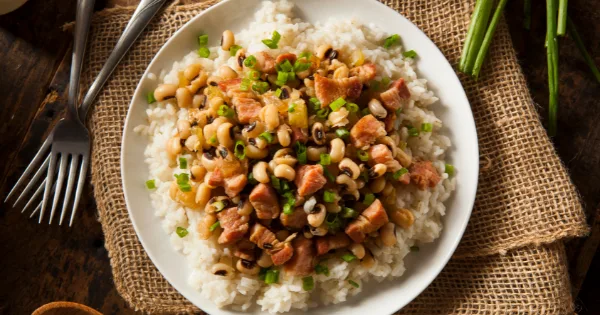
Your Hoppin John traditionally appears on New Year’s Day tables throughout the South, and the symbolism matters deeply. Those black-eyed peas represent coins, promising financial prosperity. The greens served alongside symbolize paper money. The pork signifies progress and moving forward into the new year. When you combine these elements, you’re creating more than dinner—you’re setting intentions and honoring those who came before you.
Understanding the Cultural Significance
Before diving into your kitchen, take a moment to appreciate what this dish represents. The name “Hoppin John” likely emerged from children excitedly hopping around the table when this meal appeared, though some historians suggest it comes from the invitation “Hop in, John!” Whatever the origin, the enthusiasm remains justified. This recipe sustained families through difficult times, celebrated good times, and marked the passage from one year to the next with optimism regardless of circumstances.
Essential Ingredients for Your Perfect Hoppin John Recipe
Your success begins with selecting quality ingredients. Unlike complicated dishes requiring exotic components, Hoppin John Recipe celebrates accessibility—these are ingredients your great-grandmother could have found, and you can easily locate them today.
The Foundation: Black-Eyed Peas
You’ll need one pound of dried black-eyed peas for authentic texture and flavor. These humble legumes pack impressive nutrition: protein, fiber, iron, and folate that support your health while satisfying your appetite. When shopping, look for peas that appear uniform in size and color, without excessive wrinkling or discoloration.
Alternatively, you can use three 15-ounce cans of black-eyed peas if time constraints press you. Drain and rinse them thoroughly to remove excess sodium. While purists might scoff, canned peas deliver convenience without sacrificing too much authenticity—your secret remains safe, and the luck still counts.
The Smoky Star: Choosing Your Pork
Traditional Hoppin John relies on smoked ham hock for that deep, soul-warming smokiness that defines the dish. One or two hocks will suffice, depending on their size and how much meaty richness you prefer. The hock contributes collagen that creates body in your cooking liquid, plus shreds of tender meat to distribute throughout the finished dish.
Can’t find ham hocks? Your alternatives include smoked turkey legs for a leaner option, thick-cut bacon (4-6 slices) for convenience, andouille sausage for spicy depth, or salt pork for traditional preservation-style flavor. Vegetarians shouldn’t feel excluded—smoked paprika combined with mushrooms or a small amount of liquid smoke creates surprising depth without animal products.
The Aromatic Trinity
Southern cooking relies heavily on the “holy trinity”: onions, celery, and bell peppers. You’ll dice one large yellow onion, two celery stalks, and one medium green bell pepper. These vegetables form the aromatic foundation that supports every other flavor in your pot. Don’t skip this step or substitute with powders—fresh aromatics make the difference between good Hoppin John and exceptional Hoppin John.
Add four to five cloves of minced garlic to this mix. Fresh garlic brings pungency and warmth that dried versions simply cannot match. The garlic mellows during cooking, becoming sweet and complex rather than harsh.
Rice and Liquid Components
You’ll need two cups of long-grain white rice. This variety maintains structure during cooking, absorbing flavors without becoming gummy or mushy. Some cooks prefer Carolina Gold rice for authenticity, while others use standard long-grain with excellent results. Brown rice works if you want extra fiber, though cooking time increases.
For your cooking liquid, six cups of chicken or ham broth provides rich background flavor. Homemade broth elevates the dish significantly, but quality store-bought versions work perfectly well. Vegetable broth substitutes easily for vegetarian versions.
Seasonings That Bring It Together
Two bay leaves add subtle herbal notes. One to two tablespoons of Cajun or Creole seasoning deliver the spicy, complex flavor profile that makes Hoppin John so crave-worthy. Salt and black pepper to taste round out your seasonings, though remember that smoked pork and commercial broths already contain considerable sodium—taste before you salt.
Keep hot sauce handy for serving. Crystal, Texas Pete, Tabasco, or your personal favorite adds brightness and heat that awakens every other flavor. Sliced green onions for garnish provide fresh color and mild onion flavor as a finishing touch.
Step-by-Step Instructions for Hoppin John Success
Now that you’ve gathered everything, you’re ready to transform these simple ingredients into something extraordinary. This process requires patience but rewards you with layers of flavor that rushed cooking simply cannot achieve.
Preparing Your Black-Eyed Peas
The night before cooking, sort through your dried peas. Spread them on a light-colored surface and remove any debris, stones, or damaged peas. This step seems tedious but prevents unpleasant surprises later. Transfer the sorted peas to a large bowl and cover them with water extending two inches above the beans. Let them soak overnight at room temperature.
This soaking accomplishes several things: it softens the peas’ exterior, reduces cooking time, and helps them cook more evenly. Some nutrients leach into the soaking water, but the texture improvement justifies this minor loss.
Forgot to soak overnight? Your quick-soak alternative saves the day. Place peas in a pot, cover with water, and bring to a rolling boil. Boil for two minutes, then remove from heat, cover, and let stand for one hour. Drain and proceed with the recipe.
Building Your Flavor Foundation
Place your large pot or Dutch oven over medium heat. If your meat choice doesn’t include enough fat (ham hocks can be lean), add a tablespoon of oil or butter. Once the pot heats, add your diced onion, celery, and bell pepper. These vegetables need five to seven minutes of cooking, stirring occasionally, until they soften and the onion becomes translucent.
This sautéing step, called “sweating” the vegetables, gently releases their moisture and concentrates their flavors without browning. You’ll notice the vegetables shrinking and their colors brightening. The kitchen will smell amazing—enjoy this moment.
Add your minced garlic and stir constantly for about one minute. Garlic burns quickly and turns bitter, so watch it carefully. You want it fragrant and softened but not browned.
Simmering the Peas to Perfection
Drain your soaked peas and add them directly to the pot with your aromatics. Nestle your ham hocks into the mixture, along with bay leaves and Cajun seasoning. Pour in enough broth to cover everything by about two inches. The liquid level matters—too little and your peas cook unevenly; too much and your final dish becomes soupy.
Increase heat to bring everything to a vigorous boil. Once boiling, reduce the heat to maintain a gentle simmer. You want small bubbles breaking the surface regularly but not a rolling boil that could toughen the peas or cause them to break apart.
Cover your pot and let this mixture simmer for 45 to 60 minutes. Check occasionally to ensure sufficient liquid remains, adding more broth or water if needed. Your peas should become tender but retain their shape—not mushy, but easily crushable between your fingers when tested.
Taste the cooking liquid at this point. The ham hock has released salt, the vegetables have contributed sweetness, and the Cajun seasoning has bloomed. Add black pepper as needed, but hold off on additional salt until after the rice cooks and you taste the finished dish.
Incorporating the Rice
Once your peas reach proper tenderness, carefully remove the ham hock to a cutting board to cool. It’s hot, so use tongs or two forks and exercise caution. While it cools, add your two cups of rice to the pot, stirring gently to distribute it throughout the pea mixture.
Check your liquid level. You need approximately one inch of liquid above the rice surface. If your peas absorbed more liquid than expected, add additional broth to reach this level. Too little liquid results in crunchy, undercooked rice; too much creates mushiness.
Return the mixture to a simmer, then reduce heat to low. Cover your pot with a tight-fitting lid—steam escaping means moisture loss and potentially undercooked rice. Resist the urge to peek! Let it cook undisturbed for 20 to 25 minutes.
Meanwhile, shred the meat from your cooled ham hock. Discard the bone, fat, and skin, keeping only the tender meat. Shred it into bite-sized pieces.
The Final Touch
After 25 minutes, check your rice. It should have absorbed the liquid and become tender. If liquid remains and the rice is still firm, cover and cook another five minutes. If it’s dry but still undercooked, sprinkle a few tablespoons of water over the surface, cover, and cook a few more minutes.
Once the rice reaches perfection, remove the pot from heat. Return your shredded ham hock meat to the pot, tucking it throughout the mixture. Replace the lid and let everything rest for 10 minutes. This resting period allows the rice to finish absorbing moisture and the flavors to marry completely.
Remove the bay leaves—they’ve done their job and shouldn’t be eaten. Fluff your Hoppin John gently with a fork, mixing from the bottom upward to distribute ingredients evenly. Taste one more time and adjust seasonings if needed.
Serving Your Hoppin John Recipe for Maximum Impact
Transfer your beautiful creation to a serving bowl or present it straight from your pot for rustic charm. Garnish generously with sliced green onions—their bright color and fresh flavor provide the perfect counterpoint to the rich, smoky dish.
Set out hot sauce bottles and let each person adjust the heat to their preference. Some folks drench their portion, while others prefer just a few drops. There’s no wrong answer.
Traditional Accompaniments
To honor the complete New Year’s Day tradition, serve your Hoppin John alongside collard greens slow-cooked with ham hocks until silky and tender. The greens represent paper money—more prosperity symbols on your plate. Cornbread, preferably baked in a cast-iron skillet until golden and slightly crispy, provides the perfect vehicle for soaking up every delicious drop.
Tangy vinegar-based coleslaw adds crunch and acidity that cuts through the richness. Some families include fried chicken, creating a soul food feast that celebrates Southern culinary heritage in all its glory.
Modern Serving Suggestions
Your Hoppin John adapts beautifully to contemporary presentations. Top it with a fried egg for a satisfying breakfast or brunch. The runny yolk creates additional richness and turns leftovers into something special.
Use it as a filling for stuffed bell peppers, adding cheese on top and baking until bubbly. Roll it into burritos with salsa and avocado for fusion flair. Serve it over roasted vegetables for a grain bowl approach that’s both healthy and filling.
Storage and Reheating for Future Enjoyment
One of Hoppin John’s greatest virtues—it tastes even better the next day. The flavors continue developing as the dish rests, creating deeper complexity. Store cooled Hoppin John in airtight containers in your refrigerator for four to five days.
When reheating, add a splash of broth or water to restore moisture. Stovetop reheating works best—place your desired portion in a saucepan over medium-low heat, stirring occasionally until heated through. Microwave reheating works in a pinch; cover the dish with a damp paper towel and heat in 90-second intervals, stirring between each.
Hoppin John freezes beautifully for up to three months. Portion it into meal-sized containers, leaving headspace for expansion. Label everything with the date and contents. Thaw overnight in your refrigerator before reheating. The texture remains remarkably close to fresh, making batch cooking especially appealing.
Troubleshooting Common Hoppin John Recipe Challenges
Even experienced cooks encounter occasional issues. If your Hoppin John turns out mushy, you likely added rice too early, used too much liquid, or stirred too frequently during cooking. The solution: add rice only when peas are completely tender, measure liquid carefully, and resist stirring once the rice joins the party.
Conversely, if your rice remains crunchy while the peas are perfect, you didn’t use enough liquid or your heat was too low for proper steaming. Add a quarter cup of hot water or broth, cover tightly, and cook a few minutes longer.
Bland flavor usually means underseasoning or omitting the sautéing step for aromatics. Don’t skip sweating those vegetables—it concentrates flavors significantly. Taste and adjust seasonings at multiple points during cooking.
The Health Benefits Hiding in Your Bowl
Beyond tradition and flavor, your Hoppin John delivers impressive nutrition. Black-eyed peas provide plant-based protein (18-22 grams per serving), dietary fiber (8-10 grams), and essential minerals like iron and potassium. They support digestive health, help stabilize blood sugar, and keep you satisfied for hours.
The combination of beans and rice creates complete protein with all essential amino acids—important for vegetarians or anyone reducing meat consumption. The folate content supports cellular health and is particularly important for women of childbearing age.
You can make this recipe even healthier by using turkey instead of pork, choosing brown rice for additional fiber, loading up on extra vegetables, and selecting low-sodium broth. These modifications preserve the dish’s soul while addressing modern nutritional concerns.
Making This Hoppin John Recipe Your Own
Don’t feel constrained by tradition—Hoppin John invites creativity. Vegetarians can create deeply satisfying versions using smoked mushrooms, liquid smoke, and vegetable broth. Add nutritional yeast for umami depth that mimics meaty richness.
Spice enthusiasts might include diced jalapeños with the aromatics or stir in cayenne pepper for extra heat. A Caribbean twist emerges when you add coconut milk and scotch bonnet peppers. Some cooks include diced tomatoes for acidity and color.
Slow cooker devotees can adapt this recipe easily: combine soaked peas, meat, aromatics, seasonings, and broth in your slow cooker. Cook on low for six to seven hours, add rice during the last 90 minutes, and proceed as directed.
Instant Pot owners can achieve similar results in a fraction of the time. Sauté aromatics using the sauté function, add remaining ingredients except rice, pressure cook for 20 minutes, quick release, add rice, and pressure cook another five minutes with natural release.
Why You Should Make This Hoppin John Recipe Today
You don’t need to wait until New Year’s Day to enjoy this dish. Hoppin John Recipe works beautifully any time you crave comfort food that nourishes body and spirit. It’s budget-friendly—dried beans and rice cost mere dollars yet feed a crowd. It’s practical—minimal hands-on time while it simmers allows you to attend to other tasks. It’s versatile—feeds omnivores, vegetarians, and everyone in between with minor adjustments.
Most importantly, when you make this recipe, you’re connecting with something larger than yourself. You’re honoring the creativity and resilience of people who transformed simple ingredients into something meaningful. You’re participating in a tradition that has comforted families for generations. You’re creating food that doesn’t just fill stomachs but feeds souls.
Ready to invite good fortune into your kitchen? Gather your ingredients today and discover why Hoppin John Recipe has remained a beloved tradition for centuries. Your pot is waiting, and prosperity might just be one delicious meal away.
Start your Hoppin John Recipe this weekend. Share it with people you love. Tell them the stories behind the dish. Create new memories while honoring old traditions. Then come back and tell us how it turned out—your experience matters, and the Hoppin John Recipe community welcomes your voice.




No comment yet, add your voice below!