


- Posted on
- By Harmonyrecipes
- In Beef Recipes
- Leave a comment

How to Cook Beef Tenderloin: Complete Guide for Tender, Juicy Results
You have probably stood in front of a butcher counter more than once wondering why beef tenderloin stands out. Maybe you have seen it on holiday tables, in upscale restaurants, or in recipes that promise unforgettable tenderness. Yet the real confidence to choose and cook it comes from understanding what makes this cut different—and how you can turn it into a centerpiece meal without stress or uncertainty.
If you have ever wanted a dish that makes guests stop mid-bite, or if you simply want to master a premium cut for your own satisfaction, beef tenderloin gives you that chance. This guide breaks down every step you need: choosing the right cut, seasoning properly, cooking it to perfection, and serving it with sides that elevate its natural flavor. By the end, you will know exactly how to make beef tenderloin one of the most reliable, impressive dishes in your repertoire.
Table of Contents
What Is the roast ? Understanding the Cut
Why the Roast Is Considered Premium
Beef tenderloin comes from the loin section along the backbone, where the muscles perform very little work. Because of this limited movement, the meat stays exceptionally soft. According to USDA meat classification, this area contains some of the most tender muscles in the entire animal.
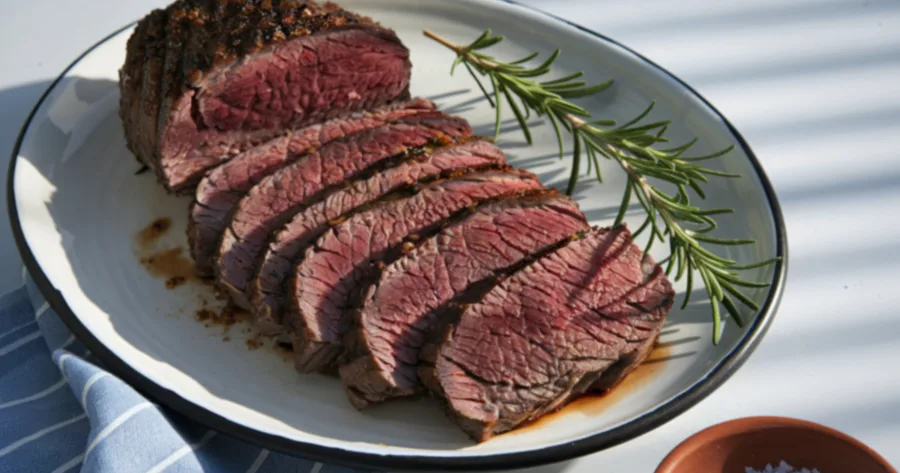
You benefit from:
- A fine, buttery texture
- Tight grain structure
- Minimal connective tissue
- Uniform shape for predictable cooking
This is the same cut used to create filet mignon, Chateaubriand, and tournedos—some of the most sought-after steakhouse dishes.
Flavor Profile and Texture
Since beef tenderloin is naturally mild, seasoning and sauces play an important role. You get:
- Subtle beef flavor
- Smooth, melt-in-your-mouth feel
- Excellent pairing opportunities with herbs, garlic, butter, and reductions
If you want tenderness above all else, this cut delivers it consistently.
Key Data to Include
USDA nutritional estimates per 100g of cooked tenderloin:
- Protein: 26g
- Fat: 12g
- Calories: ~230
This makes it a leaner premium cut compared with ribeye or New York strip.
Types and Grades of Beef Tenderloin

Whole vs. Trimmed Tenderloin
When you shop, you will often see two main options:
Whole (Untrimmed)
- Includes side chain and silver skin
- Less expensive
- Requires trimming and tying
Trimmed (Peeled or PSMO)
- Silver skin removed
- More uniform
- Ready to season and cook
- Ideal for beginners
USDA Beef Grades
Choosing the right grade affects both flavor and price.
- Prime: Highest marbling, best for celebrations.
- Choice: Excellent balance of tenderness and value.
- Select: Leaner, requires careful cooking to avoid dryness.
Prime is rare and often used in restaurants, but Choice offers outstanding results at home.
How to Choose the Best Beef Tenderloin

What to Look for at the Store
To ensure quality and cooking consistency, pay attention to:
- Bright, red color without brown patches
- Firm, cold texture
- Even thickness from end to end
- Minimal surface moisture
- Label indicating grade (Prime, Choice, Select)
Avoid tenderloins with strong odors or excessive liquid in the packaging.
Where to Buy High-Quality Tenderloin
You can source excellent cuts from:
- Local butcher shops
- High-end supermarkets
- Warehouse stores (bulk value)
- Online specialty beef suppliers
Butchers often offer better trimming and may customize weight and shape based on your needs.
Tenderloin Sizes and Servings
General serving guidelines:
- Steaks: 6–8 oz per person
- Whole roast: 1–1.5 lbs per person (cooked shrinkage included)
A standard whole tenderloin roast (3–4 lbs) typically serves 6–8 people.
How to Prepare Beef Tenderloin
Trimming and Tying the Tenderloin
To shape the tenderloin for even cooking:
- Remove the silver skin with a sharp knife
- Detach excess fat or chain muscle
- Fold the thin tail end under and tie with butcher’s twine
- Tie every 1–1.5 inches for a uniform cylinder shape
This ensures the meat cooks evenly from end to end.
Seasoning Options
Since beef tenderloin has a refined flavor, simple preparations work best.
Minimalist Seasoning
- Salt
- Black pepper
Herb Crust Options
- Rosemary
- Thyme
- Garlic
Marinade Alternatives
- Olive oil, lemon zest, spices
- Balsamic vinegar-based blends
- Soy sauce-based umami marinades
Your goal is to enhance the flavor without overwhelming it.
Tools You Need
These tools make preparation easier:
- Sharp chef’s knife
- Cutting board
- Butcher’s twine
- Cast-iron skillet or roasting pan
- Digital meat thermometer
A thermometer is essential for accuracy.
How to Cook Beef Tenderloin (Step-by-Step)
Best Cooking Methods
You have several reliable methods depending on your kitchen setup.
Roasting
- Best for whole tenderloin
- Allows precise temperature control
Grilling
- Adds smoky flavor
- Works best when tied securely
Pan-Searing + Oven Finish
- Provides a crust
- Ideal for smaller cuts or medallions
Internal Temperature Guide
Use internal temperature rather than guesswork. According to USDA guidelines, safe minimum internal temperature for beef is 145°F followed by resting. For tenderloin texture, you may choose among:
- Rare: 120–125°F (49–52°C)
- Medium-rare: 130–135°F (54–57°C)
- Medium: 140–145°F (60–63°C)
- Medium-well: 150–155°F (65–68°C)
For maximum tenderness, medium-rare is recommended.
Resting and Slicing
After cooking:
- Rest the roast for 10–15 minutes
- This redistributes juices
- Slice cleanly against the grain
- Serve thick or thin depending on preference
Beef Tenderloin Recipe: Classic Roasted Tenderloin
Ingredients (Table Format)
Ingredient | Quantity |
|---|---|
Beef tenderloin (trimmed) | 3–4 lbs |
Salt | 1 tbsp |
Black pepper | 1 tbsp |
Fresh rosemary | 2 tbsp |
Garlic, minced | 4 cloves |
Olive oil | 3 tbsp |
Butter | 2 tbsp |
Instructions
- Preheat your oven to 425°F (220°C).
- Pat the beef tenderloin dry with paper towels.
- Rub the entire surface with olive oil, salt, pepper, garlic, and rosemary.
- Heat a skillet on high and sear each side until deeply browned.
- Transfer the tenderloin to a roasting pan.
- Cook for 20–30 minutes, depending on size.
- Insert a meat thermometer to check doneness.
- Add butter on top and let the tenderloin rest before slicing.
The butter melts into the surface, enhancing richness without overpowering the meat.
Side Dishes That Pair Well with Beef Tenderloin
Classic Side Dishes
You can pair beef tenderloin with sides that bring balance and contrast.
Starch Options
- Garlic mashed potatoes
- Roasted baby potatoes
- Soft dinner rolls
Vegetable Options
- Roasted carrots and Brussels sprouts
- Creamed spinach
- Grilled asparagus
Popular Sauces
These sauces complement the mild flavor:
- Red wine reduction
- Green peppercorn sauce
- Béarnaise sauce
- Mushroom cream sauce
Storage and Leftovers
Refrigeration
You can store cooked beef tenderloin in an airtight container:
- Up to 3–4 days, per FDA guidelines
Freezing
For longer storage:
- Wrap tightly and freeze for up to 6 months
- Slice before freezing for easier reheating
Reheating Without Drying
To retain tenderness:
- Reheat gently at 250°F
- Add a small amount of broth or butter
- Keep covered to reduce moisture loss
Common Mistakes to Avoid
To get consistent results, avoid:
- Overcooking the meat
- Skipping the resting period
- Using too much seasoning
- Failing to tie the tenderloin
- Slicing while still hot
- Cooking without a thermometer
Each mistake directly affects tenderness and juiciness.
Beef Tenderloin FAQ
What is beef tenderloin?
Beef tenderloin is a long, narrow muscle located along the spine. It is one of the most tender cuts of beef due to minimal movement during the animal’s life.
How long should I cook beef tenderloin?
A 3–4 lb tenderloin typically cooks in 20–30 minutes at 425°F, depending on your target internal temperature.
Is beef tenderloin the same as filet mignon?
Filet mignon is cut from the smaller end of the tenderloin. They come from the same muscle but differ in size and presentation.
How do I keep beef tenderloin juicy?
Use a thermometer, avoid high heat for too long, and let it rest before slicing. These steps preserve moisture.
Can beef tenderloin be cooked ahead of time?
Yes, but serving immediately provides the best texture. If preparing in advance, cook slightly under your target temperature and finish just before serving.
Conclusion
Beef tenderloin gives you unmatched tenderness and a level of elegance that few cuts can match. When you understand how to choose it, prepare it, and cook it with precision, you gain control over a dish that consistently impresses. This guide gives you every essential step, from selecting the right grade to carving the final slices. With the right technique, you can serve beef tenderloin confidently for anything from intimate dinners to major celebrations.
The next time you stand at the butcher counter, you will know exactly what to look for. You will recognize the shape, the quality markers, and the preparation steps needed to turn this premium cut into a memorable meal. It is a skill that pays off every time you cook it.
Strong Call-to-Action
If you want to take your cooking skills even further, explore additional guides on meat selection, seasoning strategies, and advanced cooking techniques. Each resource gives you practical steps you can apply immediately. Start refining your culinary approach today and turn every meal into a confident, well-executed experience.



No comment yet, add your voice below!