


- Posted on
- By Harmonyrecipes
- In Cooking Tips, Dinner Ideas
- Leave a comment

The Best Black Eyed Peas Recipe for Easy, Comforting Meals
Food has a way of grounding you. When life feels rushed or uncertain, simple meals often bring the most comfort. A well-cooked black eyed peas recipe does exactly that. It is not flashy. It is not complicated. Yet it delivers warmth, nourishment, and a sense of familiarity that many modern recipes lack.
You may associate black eyed peas with tradition, slow cooking, or meals shared with family. That connection is not accidental. Across cultures, black eyed peas have remained a staple because they are affordable, filling, and adaptable. When you prepare them properly, you get a dish that feels both humble and deeply satisfying.
In this guide, you will learn how to prepare black eyed peas step by step, how to adjust the recipe to your taste, and how to avoid common mistakes. Whether you are cooking for yourself or others, this article gives you a reliable foundation you can return to again and again.
Table of Contents
What Are Black Eyed Peas?
Origins and Cultural Importance
Black eyed peas originated in Africa and spread globally through trade and migration. Today, you will find them in:
- Southern American cooking
- West African stews
- Mediterranean and Middle Eastern dishes
- Vegetarian and plant-based meals worldwide
In many cultures, black eyed peas are associated with comfort, resilience, and prosperity. Their long shelf life and nutritional value made them essential during difficult times, which is why they remain relevant in modern kitchens.
Nutritional Value of Black Eyed Peas
When you cook a balanced black eyed peas recipe, you are not just preparing comfort food. You are also choosing a nutritionally dense ingredient.
Black eyed peas are:
- High in plant-based protein
- Rich in dietary fiber, supporting digestion
- A good source of iron, folate, and magnesium
- Naturally low in fat
- Filling without being heavy
This makes them suitable for everyday meals, especially if you want food that keeps you full without relying on processed ingredients.
Why This Black Eyed Peas Recipe Works
Not every recipe delivers consistent results. This one does because it focuses on fundamentals rather than shortcuts.
Balanced Flavor Profile
Black eyed peas have a mild, earthy taste. That is an advantage, not a weakness. They absorb seasoning well and develop depth when cooked slowly with aromatics.
This recipe builds flavor in layers:
- Gentle sautéing of onions and garlic
- Gradual seasoning during cooking
- Enough simmer time for the peas to soften properly
You end up with a dish that tastes complete without being overwhelming.
Practical and Flexible
This black eyed peas recipe works because you can adapt it easily:
- Vegetarian or meat-based
- Mild or spicy
- Thick or broth-heavy
You control the outcome without changing the core method.
Ingredients for the Best Black Eyed Peas Recipe
Core Ingredients Table
Ingredient | Quantity | Notes |
|---|---|---|
Dried black eyed peas | 2 cups | Soaked overnight for best texture |
Onion | 1 large | Finely chopped |
Garlic | 3 cloves | Minced |
Olive oil | 2 tablespoons | Neutral oil also works |
Broth (vegetable or chicken) | 4–5 cups | Adjust based on thickness |
Salt | To taste | Add gradually |
Black pepper | ½ teaspoon | Freshly ground preferred |
Optional Ingredients for Extra Flavor
You can enhance the recipe with:
- Bay leaf
- Smoked paprika
- Ground cumin
- Diced tomatoes
- Smoked turkey, beef, or lamb
These additions deepen flavor without complicating the cooking process.
How to Make Black Eyed Peas Recipe Step by Step
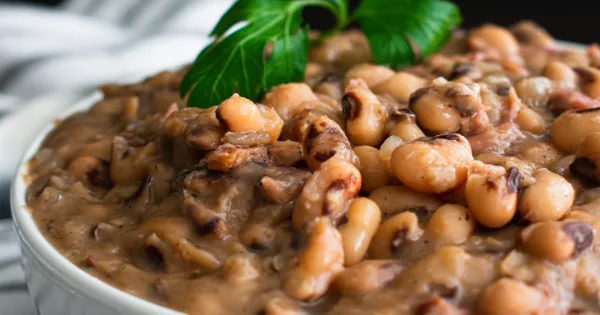
Step 1: Preparing the Black Eyed Peas
Before cooking, you should:
- Sort the peas to remove debris
- Rinse thoroughly under cold water
- Soak overnight in plenty of water
Soaking reduces cooking time and improves texture. If you skip this step, expect longer simmering.
Step 2: Building the Flavor Base
In a large pot:
- Heat olive oil over medium heat
- Add chopped onion and cook until soft
- Stir in garlic and cook briefly until fragrant
This stage matters. Rushing it results in flat flavor later.
Step 3: Cooking the Black Eyed Peas
- Drain soaked peas and add them to the pot
- Pour in broth until peas are fully covered
- Bring to a gentle boil, then reduce to a simmer
Cover partially and cook for 35–45 minutes, stirring occasionally. The peas should become tender but not mushy.
Step 4: Final Seasoning and Texture Adjustment
Toward the end of cooking:
- Add salt gradually
- Adjust liquid level if needed
- Remove bay leaf if used
You want a rich, cohesive dish, not watery peas or a dry pot.
Cooking Tips for Perfect Results
Common Mistakes to Avoid
Many people struggle with black eyed peas because of avoidable errors:
- Adding salt too early, which can toughen the peas
- Boiling aggressively instead of simmering
- Undercooking due to impatience
This black eyed peas recipe rewards steady heat and time.
Improving Texture and Flavor
To enhance results:
- Taste as you cook, not only at the end
- Let the peas rest for 10 minutes before serving
- Use broth instead of plain water
Small adjustments make a noticeable difference.
Popular Variations of Black Eyed Peas Recipe
Vegetarian Black Eyed Peas Recipe
If you prefer a plant-based option:
- Use vegetable broth
- Add tomatoes and spices
- Finish with fresh herbs
The result is filling without relying on meat.
Southern-Style Black Eyed Peas Recipe
For a richer version:
- Add smoked meat early in cooking
- Let it simmer longer
- Serve with rice or cornbread
This version emphasizes depth and warmth.
Spicy Black Eyed Peas Recipe
To add heat:
- Use chili flakes or cayenne
- Add fresh chili peppers
- Balance spice with acidity
Spice should enhance, not overpower.
What to Serve With Black Eyed Peas
Best Side Dishes
Black eyed peas pair well with:
- Steamed rice
- Flatbread or cornbread
- Roasted vegetables
Serving Ideas
You can serve this black eyed peas recipe:
- As a main dish
- As a side to grilled meat
- As part of meal prep for the week
It stores and reheats well, making it practical.
Storage and Reheating Tips
Refrigeration
Store leftovers in an airtight container for up to four days. The flavor often improves after resting.
Freezing Black Eyed Peas Recipe
Black eyed peas freeze well:
- Cool completely before freezing
- Store in portion-sized containers
- Reheat slowly to preserve texture
Avoid reheating aggressively to prevent splitting.
Frequently Asked Questions
Can You Make Black Eyed Peas Recipe Without Soaking?
How Long Does Black Eyed Peas Recipe Take to Cook?
- Soaked peas: 35–45 minutes
- Unsoaked peas: up to 90 minutes
Is Black Eyed Peas Recipe Healthy for Daily Meals?
Can You Use Canned Black Eyed Peas in This Recipe?
Conclusion
A reliable black eyed peas recipe is not about complexity. It is about patience, balance, and understanding the ingredient. When you cook black eyed peas properly, you get a dish that fits into everyday life without effort or waste.
This recipe gives you a solid base. From here, you can adjust seasoning, add ingredients, or simplify further. What matters is that you now have a method that works consistently.
If you value meals that are affordable, nourishing, and adaptable, black eyed peas deserve a permanent place in your kitchen.


No comment yet, add your voice below!