A sorte e a habilidade qual delas realmente prevalece no cassino
A sorte e a habilidade qual delas realmente prevalece no cassino
Entendendo a dinâmica do cassino
Os cassinos são ambientes fascinantes que atraem milhões de pessoas ao redor do mundo. Ao entrar em um cassino, os jogadores são recebidos por uma mistura vibrante de luzes, sons e a expectativa de grandes ganhos. No entanto, muitos se perguntam se a sorte ou a habilidade desempenham um papel mais significativo nas vitórias. A verdade é que ambos os elementos estão presentes, mas sua importância varia de acordo com o jogo. Por exemplo, jogos de cartas como o pôquer exigem mais habilidade do que sorte, enquanto máquinas caça-níqueis dependem quase exclusivamente do acaso. Para mais informações, visite https://bro-winner.pt/.
Essa interação entre sorte e habilidade também influencia a forma como os jogadores se aproximam dos jogos. Aqueles que acreditam que a sorte prevalece podem ser mais propensos a apostar grandes quantias sem estratégias, enquanto jogadores que valorizam a habilidade tendem a estudar o jogo e desenvolver táticas. Essa diferença na abordagem pode impactar diretamente a experiência de jogo, além de alterar a percepção dos jogadores sobre seus próprios resultados. Em última análise, a dinâmica do cassino é uma dança constante entre o que podemos controlar e o que está além de nosso alcance.
É importante entender que a sorte e a habilidade não são mutuamente exclusivas; elas podem coexistir. Um jogador habilidoso pode usar seu conhecimento para maximizar suas chances de ganhar, mas, em um momento, a sorte pode mudar o jogo. Essa dualidade torna o cassino um lugar tão intrigante, onde cada rodada pode trazer tanto uma vitória surpreendente quanto uma derrota inesperada. Reconhecer essa mistura é crucial para qualquer jogador que deseja ter sucesso em um cassino.
A sorte e o seu papel nos jogos de azar
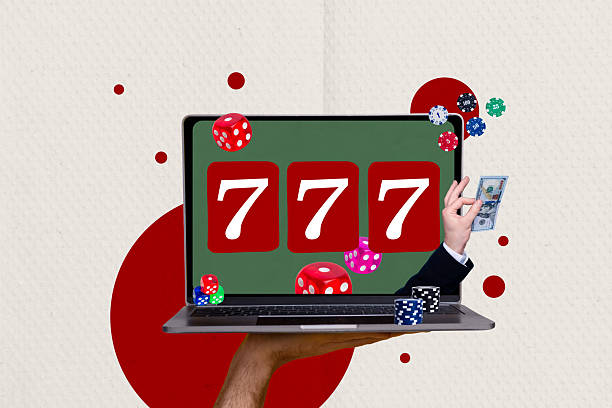
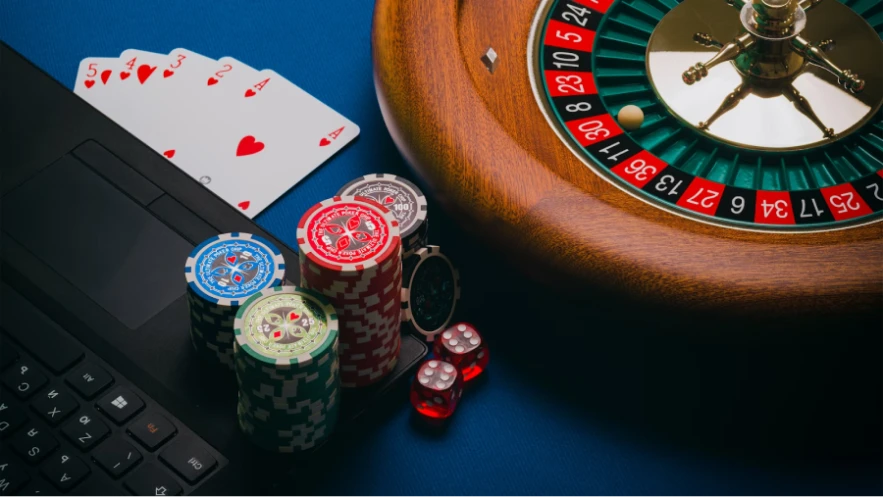
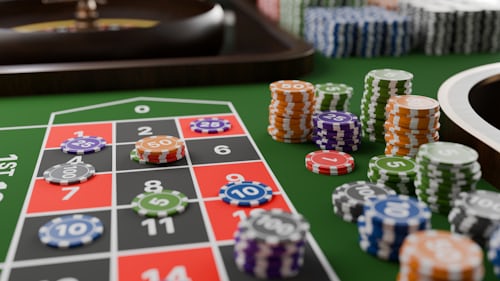
A sorte é, sem dúvida, um fator central nos jogos de azar. Em jogos como roleta e caça-níqueis, não há espaço para estratégias complexas; tudo se resume a uma questão de probabilidade e aleatoriedade. Os resultados são determinados por fatores externos que nenhum jogador pode controlar, como o giro da roda ou a combinação de símbolos que aparecem na tela. Essa imprevisibilidade é o que torna esses jogos emocionantes e atrativos, mas também é o que pode levar os jogadores a perdas significativas.
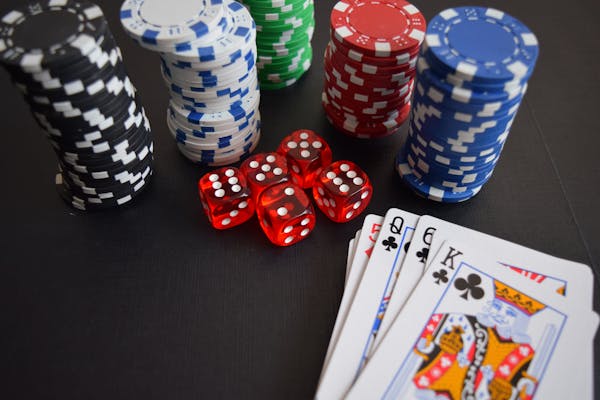
Um exemplo clássico da influência da sorte pode ser visto em jogos de dados, onde cada lançamento é completamente aleatório. Os jogadores confiam na sorte para determinar seus destinos, e a adrenalina gerada por esse elemento é inegável. Por outro lado, esse mesmo elemento de sorte pode ser uma faca de dois gumes: enquanto alguns jogadores podem sair vitoriosos em uma única sessão, outros podem experimentar uma maré de derrotas. Essa flutuação nos resultados reforça a ideia de que, em muitos casos, a sorte pode ser mais importante do que a habilidade.
Além disso, a sorte também pode afetar a mentalidade dos jogadores. Uma sequência de vitórias pode levar a uma confiança excessiva, enquanto uma série de derrotas pode resultar em frustração e decisões impulsivas. Essa relação íntima com a sorte é uma das razões pelas quais os cassinos são frequentemente associados a altos e baixos emocionais. Portanto, é crucial que os jogadores mantenham a perspectiva e reconheçam que, mesmo em uma vitória, a sorte desempenha um papel preponderante.
A habilidade e sua importância em jogos estratégicos
Enquanto a sorte é um fator predominante em muitos jogos de cassino, a habilidade se destaca em outros. Jogos como pôquer, blackjack e bacará exigem não apenas conhecimento das regras, mas também a capacidade de ler os outros jogadores e tomar decisões estratégicas. A habilidade pode ser a diferença entre um jogador médio e um vencedor consistente, pois permite que o jogador controle mais aspectos do jogo. Em vez de deixar tudo ao acaso, a habilidade traz um elemento de previsibilidade e estratégia.
Os jogadores habilidosos investem tempo em aprender as nuances dos jogos, como probabilidades, estratégias de apostas e psicologia do jogo. Por exemplo, um jogador de pôquer bem-sucedido irá considerar não apenas suas cartas, mas também o comportamento dos oponentes. Essa análise pode levar a decisões mais informadas e, em última instância, a uma maior taxa de sucesso. Ao contrário dos jogos de pura sorte, onde a aleatoriedade prevalece, aqueles que dominam a habilidade podem transformar sua abordagem em uma vantagem competitiva.
Além disso, a habilidade pode impactar a maneira como os jogadores gerenciam seu bankroll. Jogadores habilidosos tendem a ser mais disciplinados, evitando apostas impulsivas e tomando decisões baseadas em análise e planejamento. Essa capacidade de controlar emoções e fazer escolhas racionais em momentos críticos é uma marca registrada dos jogadores de sucesso. Em um ambiente onde a sorte pode mudar rapidamente, a habilidade se torna uma âncora que pode levar a resultados mais consistentes ao longo do tempo.
O equilíbrio entre sorte e habilidade
Encontrar o equilíbrio entre sorte e habilidade é fundamental para qualquer jogador que deseja prosperar em um cassino. Embora a sorte possa proporcionar vitórias instantâneas, a habilidade é o que permite que os jogadores sustentem esse sucesso ao longo do tempo. Para aqueles que jogam por diversão, a sorte pode ser suficiente para criar uma experiência emocionante. No entanto, para os jogadores que buscam ser bem-sucedidos, desenvolver habilidades e estratégias é crucial.
Esse equilíbrio é um dos aspectos que tornam os jogos de cassino tão intrigantes. Um jogador pode entrar em um torneio de pôquer acreditando que a habilidade é a chave, mas a sorte ainda pode desempenhar um papel na distribuição das cartas. Por outro lado, alguém jogando em uma máquina caça-níqueis pode ter um golpe de sorte que muda sua vida. Reconhecer essa dinâmica permite que os jogadores adaptem suas abordagens e expectativas, tornando a experiência mais rica e gratificante.
Além disso, a relação entre sorte e habilidade pode mudar de acordo com o tipo de jogo. Em jogos de estratégia, a habilidade pode dominar, enquanto em jogos de pura sorte, a aleatoriedade terá um papel mais decisivo. Compreender essas nuances é essencial para qualquer jogador que deseja maximizar suas chances de sucesso e aproveitar ao máximo sua experiência em um cassino.

O papel do site bro-winner.pt no aprendizado dos jogadores
O site bro-winner.pt é um recurso valioso para jogadores que desejam aprimorar suas habilidades e conhecimentos sobre os jogos de cassino. Mesmo que atualmente esteja sob proteção de segurança, isso demonstra o compromisso do site em manter um ambiente seguro e protegido para seus usuários. O site oferece uma variedade de informações sobre estratégias de jogo, dicas e truques que ajudam os jogadores a entender melhor a dinâmica entre sorte e habilidade.
A plataforma é projetada para atender tanto iniciantes quanto jogadores experientes, proporcionando acesso a uma rica biblioteca de conteúdos que explora diferentes aspectos do jogo. Desde análises detalhadas de jogos específicos até estratégias para gerenciar o bankroll, o site é uma ferramenta educativa poderosa. Além disso, a comunidade online permite que os usuários compartilhem experiências, discutam táticas e aprendam uns com os outros, criando um ambiente colaborativo de aprendizado.
Em suma, o bro-winner.pt se destaca como um aliado para aqueles que buscam melhorar suas habilidades em cassinos. Ao oferecer uma variedade de recursos, o site ajuda os jogadores a navegar pela complexa interação entre sorte e habilidade, promovendo uma experiência de jogo mais consciente e gratificante. Com o tempo, os jogadores que utilizam essa plataforma podem desenvolver uma compreensão mais profunda dos jogos, aumentando suas chances de sucesso e aproveitando ainda mais a experiência de jogar em um cassino.