


- Posted on
- By Harmonyrecipes
- In Cooking Tips
- Leave a comment

Easy High Protein Meal Prep for Busy Professionals
It’s Sunday evening. You’re staring into your empty refrigerator, knowing that tomorrow morning will bring the same frantic rush—grabbing whatever’s convenient, sacrificing your health goals for another drive-through breakfast. You’ve promised yourself this week would be different. This week, you’d finally prioritize your fitness, your energy, your body. But without a plan, that promise feels as empty as your fridge.
I’ve been there. We’ve all been there.
What if I told you that just 2-3 hours this weekend could transform your entire week? That high protein meal prep isn’t just for bodybuilders and fitness influencers—it’s for busy parents, working professionals, students, and anyone who’s tired of choosing between convenience and health. This isn’t about perfection. It’s about preparation. And it starts right now.
Table of Contents
Why High Protein Meal Prep Changes Everything for Your Health
The Science Behind Protein-Rich Eating
Your body craves protein for reasons that go far beyond muscle building. When you prioritize protein in your diet, you’re activating powerful metabolic processes that support nearly every function in your body. Research from the American Journal of Clinical Nutrition demonstrates that consuming adequate protein enhances your metabolism through what scientists call the thermic effect of food—your body burns 20-30% of protein calories just digesting it, compared to only 5-10% for carbohydrates.
You’ll notice increased satiety after protein-rich meals because protein influences your hunger hormones, particularly ghrelin and leptin. This means fewer cravings between meals and better appetite control throughout your day. For anyone trying to lose fat while maintaining muscle, this advantage becomes invaluable.
Beyond weight management, protein strengthens your bones, supports healthy aging, and stabilizes your blood sugar levels. You’re not just eating to feel full—you’re nourishing your body at the cellular level.
Making Protein Goals Achievable Through Preparation
Here’s the reality: most people struggle to consume 0.7-1g of protein per pound of body weight daily. Without a plan, you’ll find yourself scrambling for protein sources, often falling short by 50g or more each day. High protein meal prep eliminates this problem entirely.
When you dedicate a few hours to preparation, you remove decision fatigue from the equation. Your meals are ready. Your portions are measured. Your protein targets become automatic rather than aspirational. Studies show that people who engage in regular meal prep are three times more likely to stick with their nutrition goals compared to those who don’t.
Consider the financial benefits too. You’ll save 40-50% compared to eating out, and you’ll reclaim 8-10 hours of weekly cooking time. That’s time you can spend with family, pursuing hobbies, or simply resting—all while knowing your nutrition is handled.
Calculating Your Personal Protein Requirements
Understanding Your Unique Needs
Your protein needs aren’t the same as your neighbor’s or your gym buddy’s. Several factors determine your ideal intake: your current weight, activity level, fitness goals, and training intensity.
If you’re living a mostly sedentary lifestyle, you’ll need approximately 0.4-0.6g of protein per pound of body weight. However, if you’re actively working out or playing sports regularly, that number jumps to 0.6-0.8g per pound. Building muscle requires even more—around 0.8-1g per pound becomes your target.
For those focused on fat loss while preserving muscle mass, you might need 0.8-1.2g per pound. This higher intake helps protect your hard-earned muscle tissue during a calorie deficit. Athletes engaged in intense training often consume 1-1.2g per pound to support recovery and performance.
Let’s make this practical. If you weigh 150 pounds and want to build muscle, you’re looking at 120-150g of protein daily. Spread across four meals, that’s 30-40g per meal—a completely achievable target with proper high protein meal prep.
Distributing Protein Throughout Your Day
Timing matters when it comes to protein consumption. Your body can only use so much protein in a single sitting for muscle protein synthesis—roughly 25-40g per meal appears to maximize this response. Spreading your intake throughout the day keeps your body in an anabolic state, constantly repairing and building tissue.
You’ll want to prioritize protein within two hours after your workouts when your muscles are primed for nutrient absorption. But don’t obsess over exact timing. Consistency across the entire day matters more than perfect post-workout nutrition.
Essential Equipment for Successful High-Protein Meal Prep
Containers That Keep Your Food Fresh
Your container selection directly impacts how much you’ll enjoy your prepared meals. Glass containers offer superior quality—they’re microwave-safe, don’t absorb odors, and won’t leach chemicals into your food. You’ll want to invest in 8-12 containers with 2-3 compartments to keep proteins, vegetables, and carbohydrates separate.
Look for containers that are:
- Airtight and leak-proof for transport
- Stackable to maximize refrigerator space
- Dishwasher-safe for easy cleaning
- Clear so you can see what’s inside
Mason jars work beautifully for overnight oats and protein parfaits, while smaller 4-6 oz containers help you portion individual protein servings. If you’re serious about extending food freshness, a vacuum sealer can keep meals fresh 3-5 times longer than standard storage.
Don’t skip the food scale—accurate to 1g, it ensures you’re hitting your protein targets consistently. After a few weeks of weighing, you’ll develop an eye for proper portions.
Time-Saving Kitchen Tools
Your cooking equipment determines how efficiently you can prep. An Instant Pot or pressure cooker transforms tough cuts of meat into tender, flavorful protein in minutes—chicken breasts cook perfectly in just 12 minutes. Sheet pans allow you to roast multiple proteins and vegetables simultaneously, maximizing your oven space.
A slow cooker handles the work while you’re at the office or sleeping. You can wake up to perfectly cooked protein or come home to dinner already prepared. Rice cookers take the guesswork out of grain preparation, freeing your attention for more complex tasks.
Quality knives speed up your chopping and make preparation safer. Large mixing bowls give you space to season and marinate multiple pounds of protein at once. These tools aren’t luxuries—they’re investments that pay dividends every single week.

Ingredients Table:
Ingredient | Quantity | Protein |
|---|---|---|
Rolled oats | 1/2 cup | 5g |
Protein powder (vanilla) | 1 scoop | 25g |
Greek yogurt (plain) | 1/2 cup | 10g |
Almond milk | 1/2 cup | 1g |
Chia seeds | 1 tbsp | 2g |
Berries | 1/4 cup | 0g |
Almond butter | 1 tbsp | 3g |
TOTAL | 46g |
Instructions:
- Mix oats, protein powder, chia seeds in container
- Add Greek yogurt and almond milk
- Stir until well combined
- Top with berries
- Refrigerate overnight
- Add almond butter before eating
Prep tip: Make 4 containers at once for 4 days of breakfast
Lunch: Grilled Chicken Power Bowls (45g protein)

Ingredients Table (per serving):
Ingredient | Quantity | Protein |
|---|---|---|
Grilled chicken breast | 6 oz | 42g |
Quinoa (cooked) | 1/2 cup | 4g |
Roasted broccoli | 1 cup | 3g |
Cherry tomatoes | 1/2 cup | 1g |
Olive oil + lemon dressing | 1 tbsp | 0g |
TOTAL | 50g |
Batch cooking instructions:
- Season 2.5 lbs chicken breast with olive oil, garlic powder, paprika, salt, pepper
- Bake at 400°F for 22-25 minutes (internal temp 165°F)
- Cook 2 cups quinoa in rice cooker
- Roast 4 cups broccoli florets with olive oil at 425°F for 20 minutes
- Portion into 5 containers: 6oz chicken + 1/2 cup quinoa + 1 cup vegetables
Dinner: Turkey Chili (38g protein per serving)

Ingredients Table (makes 6 servings):
Ingredient | Quantity | Protein (Total) |
|---|---|---|
Lean ground turkey | 2 lbs | 180g |
Black beans (2 cans) | 3 cups | 45g |
Kidney beans (1 can) | 1.5 cups | 22g |
Diced tomatoes | 28 oz can | 6g |
Onion, bell pepper | 1 each | 2g |
Chili seasoning | 2 tbsp | 0g |
TOTAL (per serving) | 38g |
Instructions:
- Brown ground turkey in large pot
- Add diced onion and bell pepper, cook 5 minutes
- Add beans, tomatoes, and seasoning
- Simmer 30 minutes
- Portion into 6 containers (1.5 cups each)
Storage: Keeps 4 days in fridge, 3 months in freezer
Day 3-4 Recipes
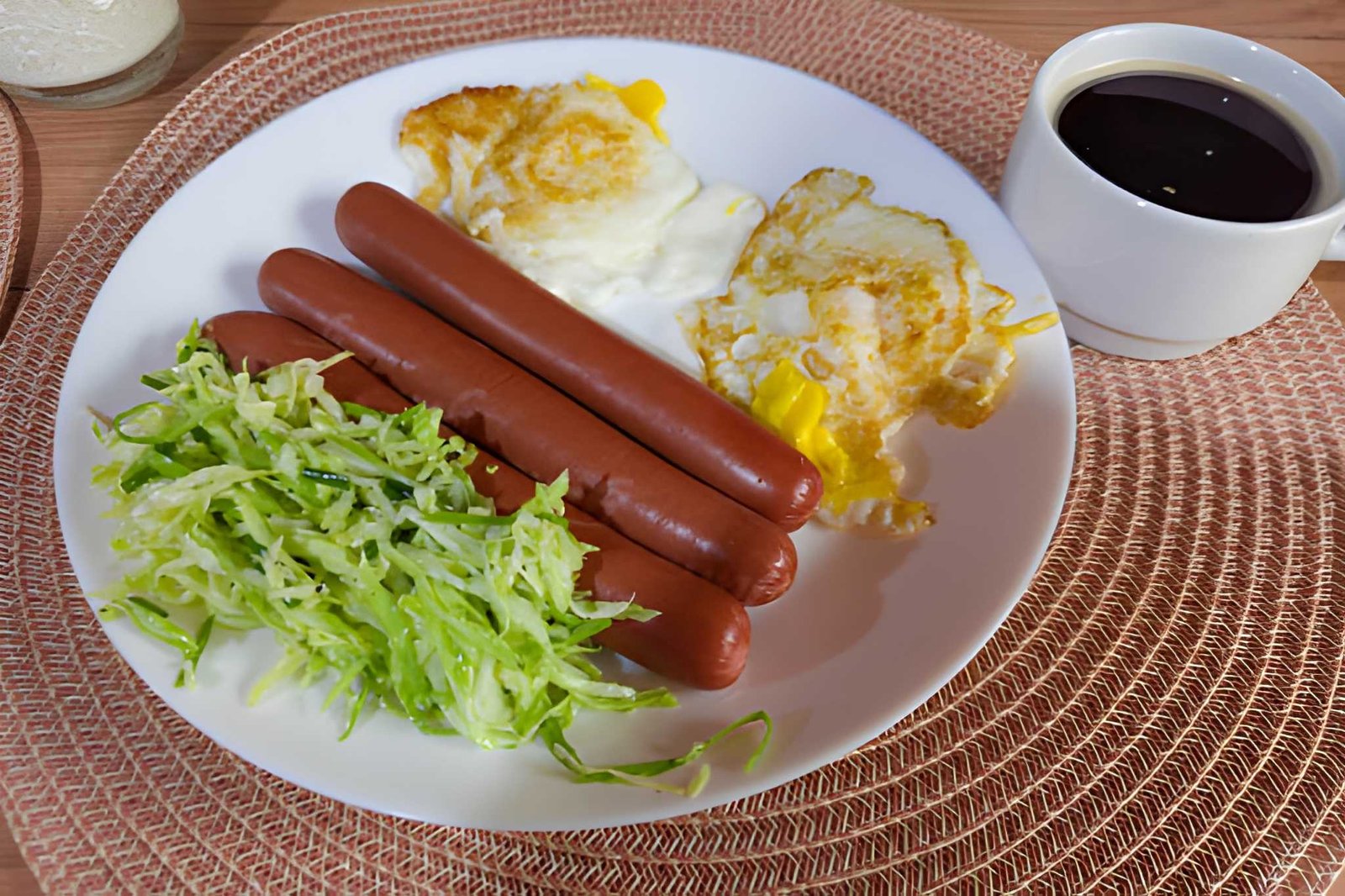
Breakfast: Egg White Veggie Scramble Cups (25g protein)
Ingredients Table (makes 12 muffins, 2 per serving):
Ingredient | Quantity | Protein (per 2 muffins) |
|---|---|---|
Egg whites | 2 cups | 20g |
Turkey sausage | 8 oz cooked | 8g |
Spinach, chopped | 2 cups | 2g |
Bell peppers | 1 cup | 1g |
Cheese (optional) | 1/2 cup | 6g |
TOTAL | 25-31g |
Instructions:
- Preheat oven to 350°F, spray muffin tin
- Whisk egg whites, add cooked sausage and vegetables
- Pour into muffin cups
- Bake 20-25 minutes until set
- Cool and store in containers (reheat 60 seconds)
The Best Proteins for Your Meal Prep Strategy
Animal-Based Options That Store Well
Chicken breast reigns supreme in the meal prep world for good reason. At 35g of protein per 4 oz serving, it’s lean, affordable, and incredibly versatile. It stores well for 3-4 days in your refrigerator and up to three months in the freezer. You can season it a dozen different ways to prevent flavor fatigue.
Ground turkey (93% lean) delivers 32g of protein per serving and works perfectly in dishes from tacos to pasta sauces. It’s more forgiving than ground beef if you slightly overcook it, and it absorbs flavors beautifully from spices and sauces.
Salmon provides 29g of protein along with heart-healthy omega-3 fatty acids. While it has a shorter refrigerator life of 2-3 days, its nutritional benefits make it worth including in your rotation. Cook it gently to prevent that dreaded dry texture.
Eggs remain one of the most economical protein sources. Two large eggs give you 12g of protein, and hard-boiled eggs stay fresh for an entire week. They’re perfect for quick breakfasts or afternoon snacks when hunger strikes.
Greek yogurt and cottage cheese offer convenient, no-cook protein options. With 20-24g per cup, they form the base for protein-packed parfaits and can be used in place of sour cream or mayonnaise in recipes.
Plant-Based Proteins Worth Your Attention
If you’re following a vegetarian or vegan approach, you have excellent high protein meal prep options. Extra-firm tofu provides 12g of protein per 4 oz and stays fresh for 5-7 days. Press it well before cooking to achieve that satisfying crispy exterior.
Tempeh offers even more protein—20g per 4 oz—with a nutty flavor and firm texture that holds up beautifully in stir-fries and grain bowls. It lasts 7-10 days refrigerated, making it ideal for weekly meal prep.
Lentils and chickpeas deserve regular spots in your meal prep rotation. At 15-18g of protein per cooked cup, they’re affordable, filling, and packed with fiber. They store for five days after cooking, and you can use them in everything from curries to salads.
Don’t overlook edamame—one cup delivers 17g of complete protein. Keep frozen bags on hand for adding quick protein boosts to any meal.
Your Step-by-Step High Protein Meal Prep Process
Planning Your Weekly Menu Strategically
Success starts before you enter the kitchen. Sit down with a piece of paper or your phone and map out your week. Choose 2-3 primary protein sources—this gives you variety without overwhelming you with too many recipes.
Start simple if you’re new to high protein meal prep. Look for recipes requiring five ingredients or fewer. You can always add complexity as you build confidence and skill.
Your shopping list should be organized by store sections to minimize time wandering the aisles. Group all proteins together, then produce, then pantry staples. This systematic approach cuts your shopping time significantly.
Think about your schedule too. If Wednesday evening is hectic, prep extra meals for that day. If you know you’ll have time Friday night, prepare fewer meals for the weekend when you can cook fresh.
Shopping Smart for Protein
Bulk buying saves you substantial money on high protein meal prep. Warehouse stores like Costco or Sam’s Club offer proteins at 30-40% less than regular grocery stores. Buy family packs and portion them yourself at home—you’ll pay less per pound while controlling your serving sizes.
Look for sales on proteins and stock up when prices drop. Chicken breast on sale for $1.99 per pound instead of $3.99? Buy several pounds and freeze what you won’t use this week. Your freezer becomes your backup meal prep station.
Pre-cut vegetables cost more but save 20-30 minutes of prep time. When your time is limited, that convenience might be worth the extra expense. You’re more likely to follow through with meal prep when it doesn’t feel overwhelming.
Frozen vegetables offer the same nutritional value as fresh at half the cost. They’re already washed and cut, and they won’t spoil before you use them. Keep bags of frozen broccoli, green beans, and mixed vegetables on hand for quick additions to any meal.
The Two-Hour Meal Prep Power Session
Sunday afternoon (or whatever day works for your schedule) becomes your dedicated prep time. Clear your calendar, put on music or a podcast, and commit these two hours to setting up your successful week.
Start by preheating your oven to 400°F while you wash and chop vegetables. Season your proteins with different spice blends—Italian herbs for one batch, taco seasoning for another, teriyaki for a third. This creates variety from the same base ingredients.
Set your rice cooker going with quinoa or brown rice while you arrange proteins on sheet pans. Rotate them every 15 minutes for even cooking. While proteins bake, boil a dozen eggs for quick snacks throughout the week.
Multitask efficiently: while vegetables sauté on the stovetop, assemble containers for meals that don’t need additional cooking. When everything’s done cooking, let it cool for 10 minutes before portioning—this prevents condensation that leads to soggy meals.
Portion your proteins into 4-6 oz servings using your food scale. Add vegetables and your chosen carbohydrate source to complete each meal. Label containers with the contents and date—you’ll thank yourself later when you’re grabbing meals in a hurry.
Storage Strategies That Preserve Quality
Your refrigerator organization matters more than you might think. Place meals you’ll eat in the next two days at the front where they’re easiest to grab. Push days 3-4 toward the back where temperatures stay most consistent.
Freeze meals intended for days 5-7, moving them to the refrigerator the night before you plan to eat them. This rotation system ensures maximum freshness while reducing food waste.
Store sauces and dressings separately in small containers. Adding them just before eating prevents sogginess and keeps textures appealing. Similarly, keep crunchy toppings like nuts or granola separate until you’re ready to eat.
Remember the two-hour rule: refrigerate all cooked food within two hours of cooking (one hour if room temperature exceeds 90°F). Spread hot foods in shallow containers for faster cooling—this prevents bacterial growth and maintains food safety.
Sample High Protein Meal Prep Recipes
Protein-Packed Overnight Oats for Busy Mornings
You’ll love waking up to breakfast that’s already prepared. Mix half a cup of rolled oats with one scoop of vanilla protein powder, half a cup of Greek yogurt, and half a cup of almond milk. Add a tablespoon of chia seeds for extra protein and omega-3s.
This combination delivers 46g of protein—enough to keep you satisfied until lunch. Top with fresh berries and a tablespoon of almond butter when you’re ready to eat. Prepare four containers at once for four days of effortless breakfasts.
The oats soften overnight, creating a creamy texture similar to pudding. The protein powder dissolves into the mixture, so you won’t taste that chalky texture some people dislike. Each container stays fresh in your refrigerator for up to five days.
Chicken Power Bowls That Never Get Boring
Season 2.5 pounds of chicken breast with olive oil, garlic powder, paprika, salt, and pepper. Bake at 400°F for 22-25 minutes until the internal temperature reaches 165°F. While chicken cooks, prepare two cups of quinoa in your rice cooker and roast four cups of broccoli florets.
Portion six ounces of chicken, half a cup of quinoa, and one cup of roasted vegetables into each container. This gives you 50g of protein per meal—perfect for post-workout nutrition or anyone with higher protein targets.
Keep three different sauces in your refrigerator: a simple lemon-olive oil dressing, teriyaki sauce, and chimichurri. Each day, choose a different sauce to completely change the flavor profile of the same base ingredients. You’ll never feel like you’re eating repetitive meals.
Turkey Chili That Feeds You All Week
Brown two pounds of lean ground turkey in a large pot, then add diced onions and bell peppers. After they soften, add three cups of black beans, 1.5 cups of kidney beans, a 28 oz can of diced tomatoes, and two tablespoons of chili seasoning.
Simmer this mixture for 30 minutes, allowing flavors to meld together. The result? Six hearty servings at 38g of protein each. This chili actually tastes better on day two and three as the spices develop, making it ideal for high protein meal prep.
Store portions in individual containers, keeping them refrigerated for up to four days or frozen for up to three months. Top each serving with a dollop of Greek yogurt (extra protein!), shredded cheese, and chopped cilantro.
Avoiding Common High Protein Meal Prep Mistakes
Calculating Portions Accurately
Guessing portion sizes undermines your entire high protein meal prep effort. You might think you’re eating 40g of protein when you’re actually getting 25g—or vice versa. This matters enormously when you’re trying to build muscle or lose fat.
Invest those first two weeks in weighing everything. Yes, it feels tedious initially, but you’re training your eye to recognize proper portions. Soon you’ll know exactly what four ounces of chicken looks like on your plate.
Remember that protein shrinks when cooked. Four ounces of raw chicken becomes approximately three ounces cooked. Account for this when calculating your portions and daily protein intake. Track everything in an app like MyFitnessPal until portion recognition becomes second nature.
Creating Variety Within Your System
Eating bland, identical meals seven days straight guarantees meal prep burnout. You’ll find yourself ordering takeout by Wednesday, abandoning your prepared meals in the refrigerator.
Combat this by preparing your proteins plain, then adding different sauces daily. Monday’s chicken gets buffalo sauce, Tuesday’s gets peanut sauce, Wednesday’s gets marinara. Same protein, completely different eating experience.
Rotate 2-3 different proteins each week. One week focuses on chicken and salmon, the next week features turkey and shrimp. This rotation prevents both taste fatigue and nutritional gaps.
Keep five different spice blends in your pantry: Italian seasoning, taco seasoning, curry powder, everything bagel seasoning, and lemon pepper. These simple additions transform basic proteins into exciting meals without requiring different cooking techniques.
Preventing Soggy, Unappetizing Meals
Nothing kills your meal prep motivation faster than opening a container to find soggy vegetables and watery chicken. This problem stems from improper storage techniques, not the concept of meal prep itself.
Use compartmentalized containers that keep wet and dry ingredients separated. Your protein and vegetables shouldn’t swim in the same juices all week. Store dressings and sauces in small separate containers, adding them only when you’re ready to eat.
Place a paper towel at the bottom of containers with fresh vegetables—it absorbs excess moisture that would otherwise make everything limp. For items like granola or nuts that should stay crunchy, keep them in separate small containers or bags until eating time.
Considering Your Reheating Environment
That beautiful salmon fillet in your high protein meal prep will clear an entire office when microwaved at work. Fish proteins break down when reheated, releasing compounds that smell far stronger than they taste.
Plan your meals according to where you’ll eat them. Save fish for dinners at home where you can reheat it gently in the oven. Choose chicken, turkey, or plant-based proteins for meals you’ll eat at work or school.
Add moisture before reheating to prevent dry, rubbery proteins. Include a tablespoon of water, broth, or sauce in your container before microwaving. Cover it with a damp paper towel—this creates steam that keeps everything tender.
Microwave on 70% power for a longer time rather than full power briefly. This gentler approach heats your food evenly without creating those tough, overcooked edges.
Making High Protein Meal Prep Work on Any Budget
Most Affordable Protein Sources
Eggs win the affordability contest at roughly 40 cents for 20g of protein (three large eggs). They’re versatile, cook quickly, and provide complete protein with all essential amino acids.
Dry lentils cost about 25 cents per cup cooked, delivering 18g of protein along with substantial fiber. A single pound of dried lentils yields multiple meals, making them perfect for budget-conscious high protein meal prep.
Canned tuna provides convenient protein at approximately 75 cents per serving (half a can, 20g protein). While not ideal for every meal due to mercury concerns, incorporating it twice weekly keeps costs low while hitting protein targets.
Black beans, Greek yogurt, and chicken thighs round out your budget protein lineup. Buying whole chickens and breaking them down yourself saves 40% compared to purchasing pre-cut pieces—your grocery store butcher will often break down whole chickens free if you ask.
Purchase family packs whenever possible and immediately portion and freeze what you won’t use this week. This bulk buying approach cuts your per-serving cost dramatically while ensuring you always have protein available.
Weekly Meal Prep on Fifty Dollars
You can absolutely execute successful high protein meal prep on a tight budget. Start with five pounds of chicken breast at $15, eighteen eggs at $4, and 32 ounces of Greek yogurt at $6. Add two pounds of ground turkey for $8.
Supplement with dry beans and lentils for $4 total, frozen vegetables for $6, and basic staples like rice and oats for $3. Allocate your remaining $4 to seasonings and basics like olive oil.
This shopping list provides approximately 140g of protein daily for a week—enough for most people’s muscle-building or fat-loss goals. Batch cook everything on Sunday, and you’ll have 35 complete meals ready to go.
Adapting High Protein Meal Prep to Your Dietary Preferences
Vegetarian Approaches to High Protein Meal Prep
Your vegetarian high protein meal prep succeeds when you understand protein combining. Rice plus beans creates a complete protein profile. Peanut butter on whole wheat bread does the same. Hummus with whole wheat pita, quinoa with any vegetables—these combinations ensure you’re getting all essential amino acids.
Build your meal prep around diverse protein sources: tofu scrambles for breakfast, lentil curry for dinner, chickpea bowls for lunch. Rotate through different types of legumes, soy products, and dairy to prevent nutritional gaps.
Greek yogurt parfaits and protein smoothies fill in gaps between meals, helping you reach 100g+ of daily protein without feeling stuffed. The variety of textures and flavors keeps vegetarian high protein meal prep interesting week after week.
Plant-Based Protein Strategies
Reaching 100g+ of protein daily on a vegan diet requires intentionality, but high protein meal prep makes it achievable. Your protein smoothie with pea protein powder delivers 30g at breakfast. A lentil and quinoa bowl provides 25g at lunch. Tofu stir-fry with added tempeh offers 40g for dinner.
Fill in remaining gaps with snacks: hummus with vegetables, mixed nuts, homemade protein balls. Nutritional yeast sprinkled on meals adds protein and B vitamins while creating a cheesy flavor without dairy.
Seitan deserves attention for vegan high protein meal prep—at 24g per 4 oz, it’s the most protein-dense plant-based option available. It absorbs marinades beautifully and maintains its texture throughout the week.
Your Path Forward Starts This Weekend
High protein meal prep transforms from an intimidating project into a sustainable lifestyle when you start small and build gradually. You don’t need to prep every meal perfectly on your first attempt. Begin with just breakfast and lunch for four days. Master those basics, then expand to full weeks.
Your investment of 2-3 hours on Sunday afternoon returns dividends throughout your entire week: better energy, consistent progress toward your fitness goals, reduced stress around meals, and significant money saved. You’re not just preparing food—you’re preparing for success.
The containers are stacked in your cabinet. The proteins are in your freezer. The recipes are bookmarked. Now comes the only remaining step: actually doing it.
Block off three hours this weekend. Tell your family or roommates you’ll be unavailable. Put on your favorite music. And start building the habit that will support every other health goal you’re chasing.
Take action now: Download this guide, print the recipes that appeal to you, and create your shopping list today. This weekend, transform your kitchen into your personal meal prep station. Share your first high protein meal prep batch on social media and tag us—we’ll celebrate your commitment to better nutrition. Your stronger, healthier future starts with the meals you prepare this Sunday.




No comment yet, add your voice below!